

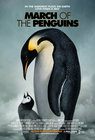
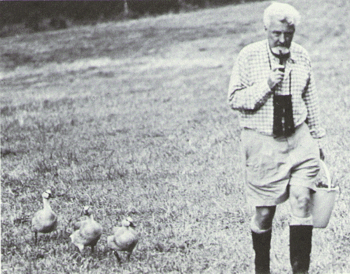
 In high school biology classes I watched many films about animal and plant life. The one I recall most vividly is Konrad Lorenz tricking little geese into believing that he was their parent during a particular phase in their young life. These films were produced on relatively modest budgets. In the hearts and minds of teenagers they could not compete with the Hollywood pictures that we went to see over the weekend. Once in a while I would doze off during my biology films because the classroom was darkened, tricking my body into thinking is was night and time to go to bed. Hollywood films on the weekend could never play this trick on me. March of the Penguins just as its eye-popping predecessor Winged Migration beautifully marries Hollywood style film-making with the genre of high school biology films. Invented was this potent genre in France where Hollywood films are taxed to subsidize domestic film production.
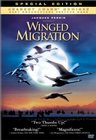 Winged Migration, which follows the migration route of birds around the globe, delivered spectacular nature photos from all around word. When I saw this film about four years ago, I marveled how the filmmakers were able to get a camera so close to the birds that you could see the world from their perspective. In comparison to Winged Migration, the landscape pictures that you see in March of the Penguins are much more monotonous because the entire film takes place on Antarctica. Yet since Penguins are much closer to human beings in their shape and their behavior, it is arresting to see male and females penguins finding partners to raise a child in what may be the most brutal climate in the world. If life can triumph under such extreme conditions, we humans should be able to flourish even if global warming melts away the icecaps.



Your Comments
0 Responses. Comments closed for this entry.